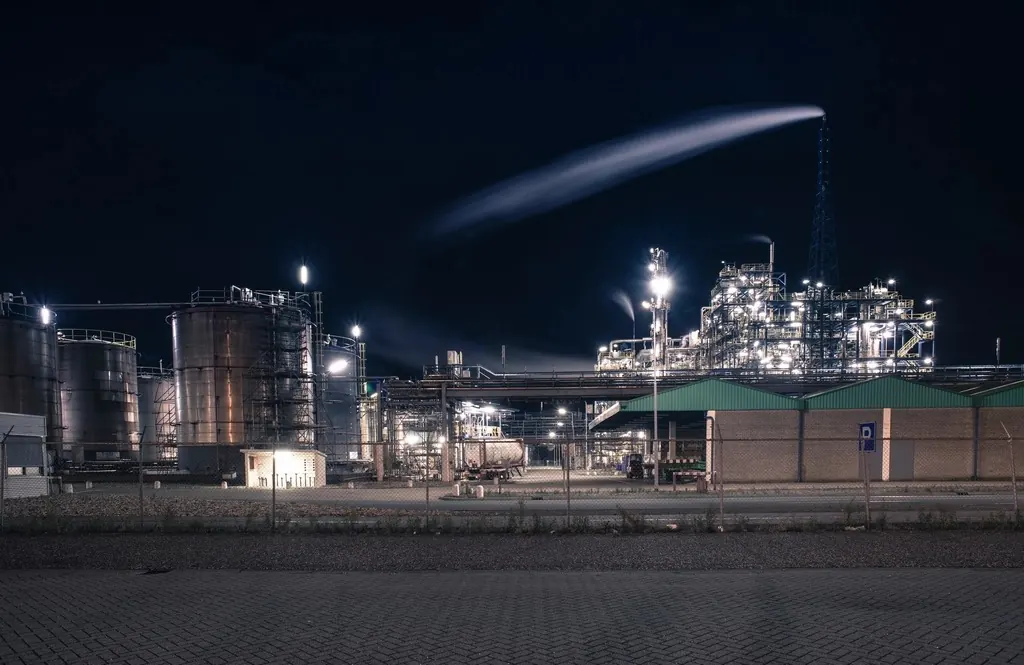
Effluent
Process water goes to treatment before discharge, in line with the Gujarat Pollution Control Board consent for our category of plant. Treated volume and parameters: [to confirm].

“A pigment plant is judged by what leaves it.”
Phthalocyanine manufacture uses solvents, salts and acids, and it produces effluent. We would rather describe what we do about that plainly than publish a page of green photographs. Figures marked in brackets are being confirmed and will be published here once verified.
Process water goes to treatment before discharge, in line with the Gujarat Pollution Control Board consent for our category of plant. Treated volume and parameters: [to confirm].
Salt milling and acid pasting are recovery-intensive steps. Recovered material goes back into the process rather than to drain, which is both an environmental and a cost decision. Recovery rate: [to confirm].
Drying and micronising are the heaviest energy users on site. We measure consumption per tonne of finished pigment so that changes are visible rather than assumed. Current figure: [to confirm].
PCB and ODCB content is tested and reported on every certificate of analysis. If a market tightens its limit, you will hear it from us rather than from your own incoming inspection.
Dust extraction at milling and packing, personal protective equipment, and handling training for every operator on the line.
Heat-treated pallets, recyclable liners and, where a customer asks for it, returnable packaging on regular routes.
If your audit needs a specific document (consent to operate, effluent analysis, or a declaration for your market), .
Request a sample
Tell us the process, the binder system and the standard you work to. We send of the grade we think is right, with a drawdown, .